Family history research often means gathering names, dates, photographs, and stories across notebooks, books, and conversations. A useful gift can support the work or help make its discoveries part of everyday life.
These eight ideas range from practical research companions to thoughtful ways to display and preserve family memories.
8 Gift Ideas for People Who Love Genealogy
Whitelines Graph Notebooks, 3-Pack

- Includes three spiral notebooks with graph paper.
- Light gray paper is intended to be less tiring on the eyes than white paper.
- The app removes the background so writing or drawing remains on white.
Best Gift For: A family researcher who likes keeping handwritten notes together or sharing them digitally.

Cross Edge Sonic Titanium Gel Ink Pen
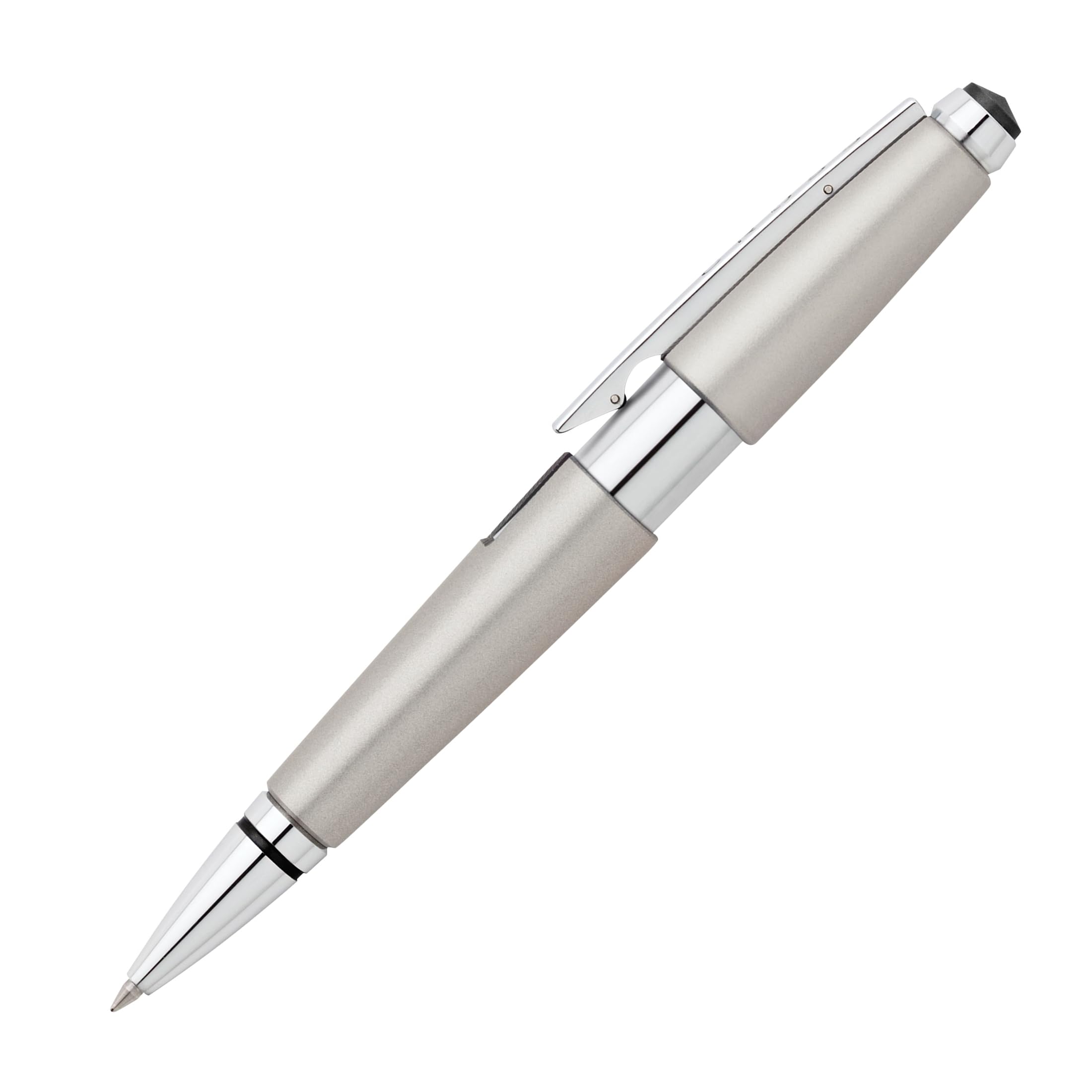
- Has a metal and resin body with a wide girth.
- The capless design slides open and snaps shut.
- Made for comfortable writing, including journaling.
Best Gift For: A genealogy enthusiast who enjoys journaling or wants a polished desk-writing gift.
Phomemo D30 Label Maker with 3 Tapes
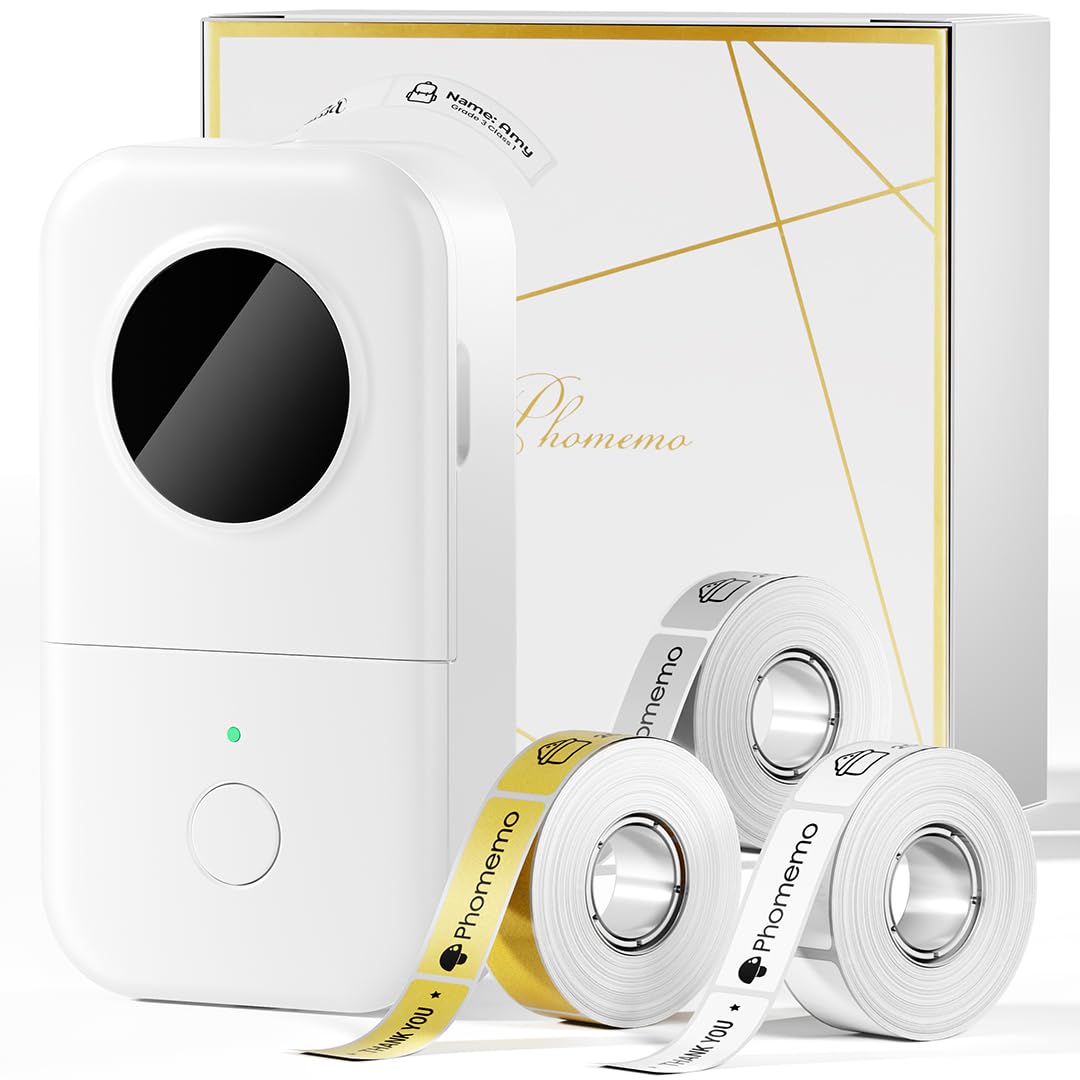
- Comes with white, gold, and clear tapes.
- Prints black text using direct thermal technology without ink, toner, or ribbons.
- Creates labels from a mobile device over Bluetooth.
Best Gift For: A researcher who wants to label folders, supplies, or personal research materials.
Glocusent Rechargeable Neck Reading Light

- Offers three color modes, with three brightness levels for each light head.
- The adjustable arms let the wearer set a comfortable angle.
- Recharges via USB Type-C and includes a rechargeable 1000mAh battery.
Best Gift For: A family-history reader who likes hands-free light for books at home or on the go.
OTOTO Spaghetti Tale Bookmark
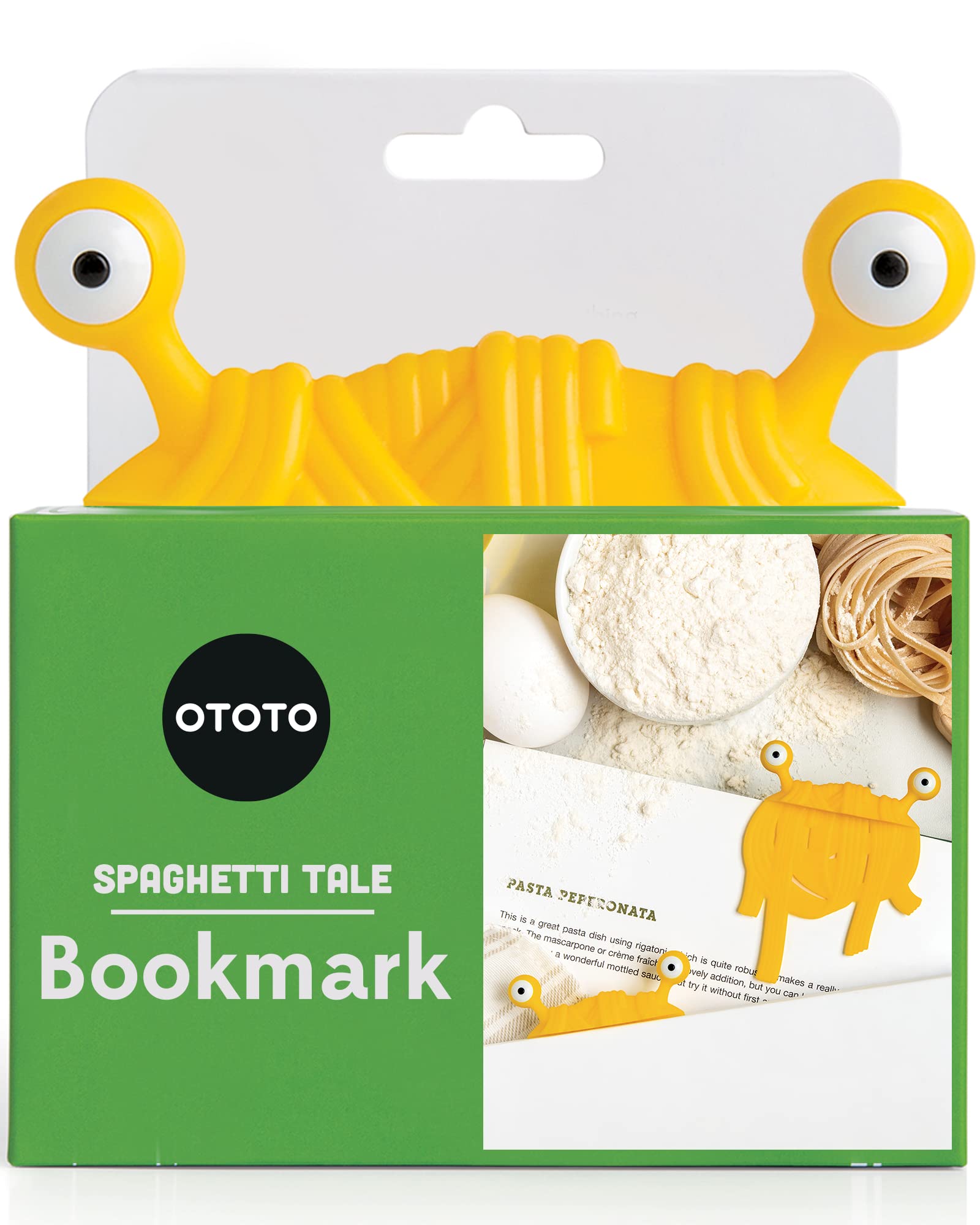
- Its yellow design is made to stand out.
- Marks a page without covering much of the book.
- Made from plastic, which is less likely to damage book pages than metal or wood bookmarks.
Best Gift For: A genealogy reader who would enjoy a quirky little addition to their books.
VASAGLE CUSTOS 5-Tier Bookcase
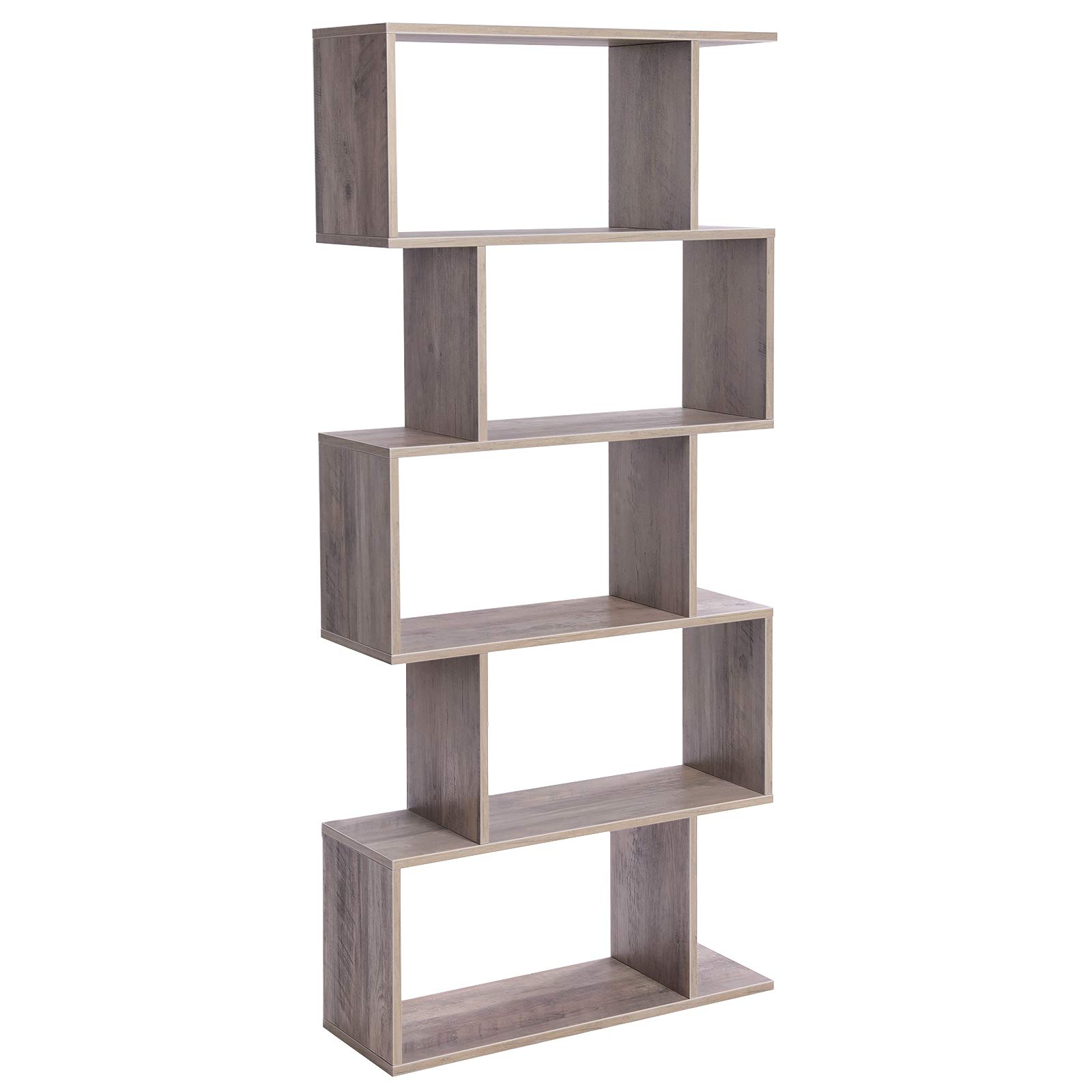
- Open storage gives the shelf a minimalist look.
- Includes two anchoring devices to help keep it in place.
- Each shelf has a 22 lb load capacity.
Best Gift For: A genealogy enthusiast with room for books and family-history materials.
Mr. Pen Metal Bookends, 8-Pack
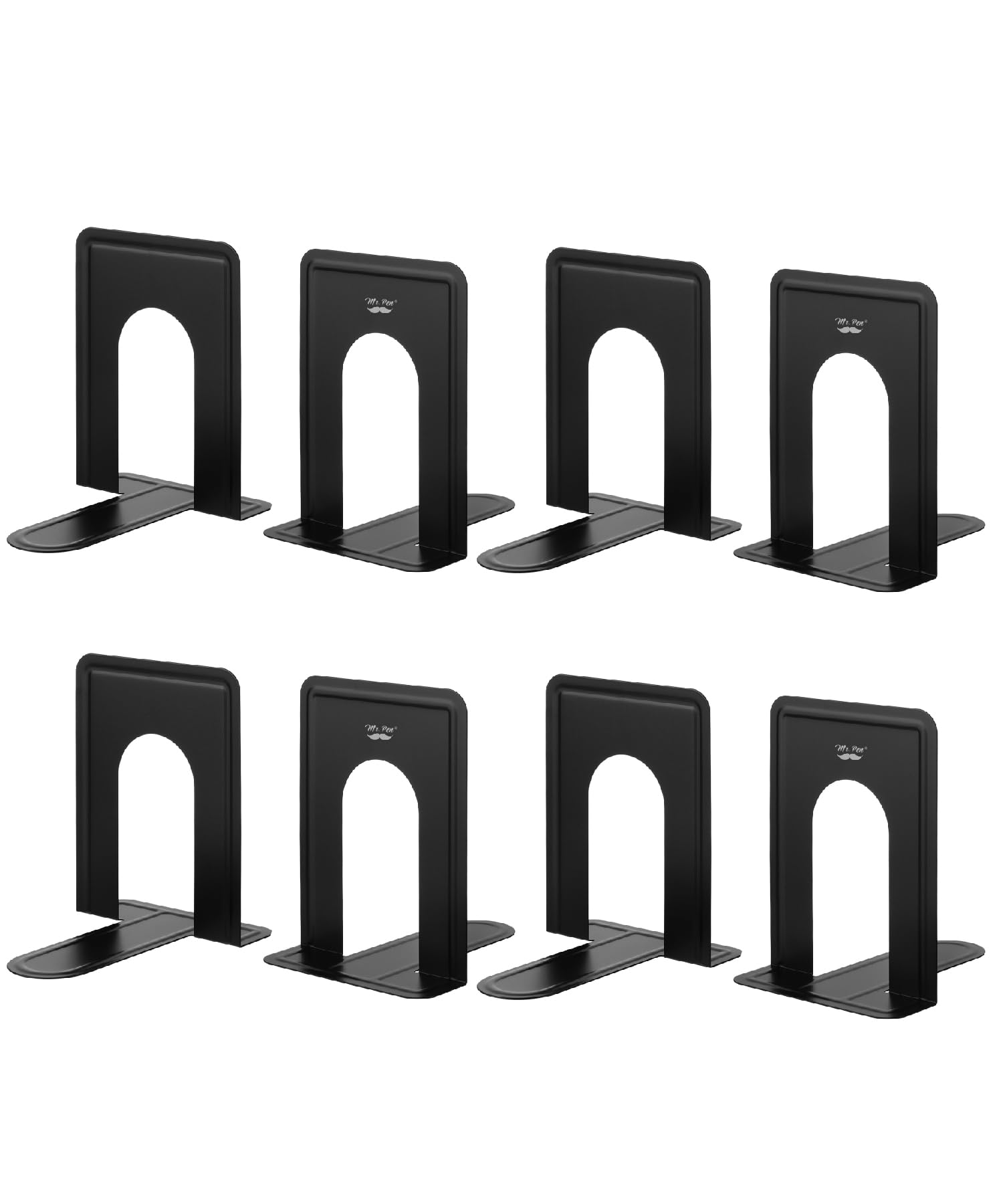
- Includes eight black metal bookends.
- Made from heavy-duty metal.
- Can hold books, magazines, or binders on shelves.
Best Gift For: Someone who keeps genealogy books, files, or binders on open shelves.
ZEEYUAN 4x6 Photo Album, 200-Photo Capacity
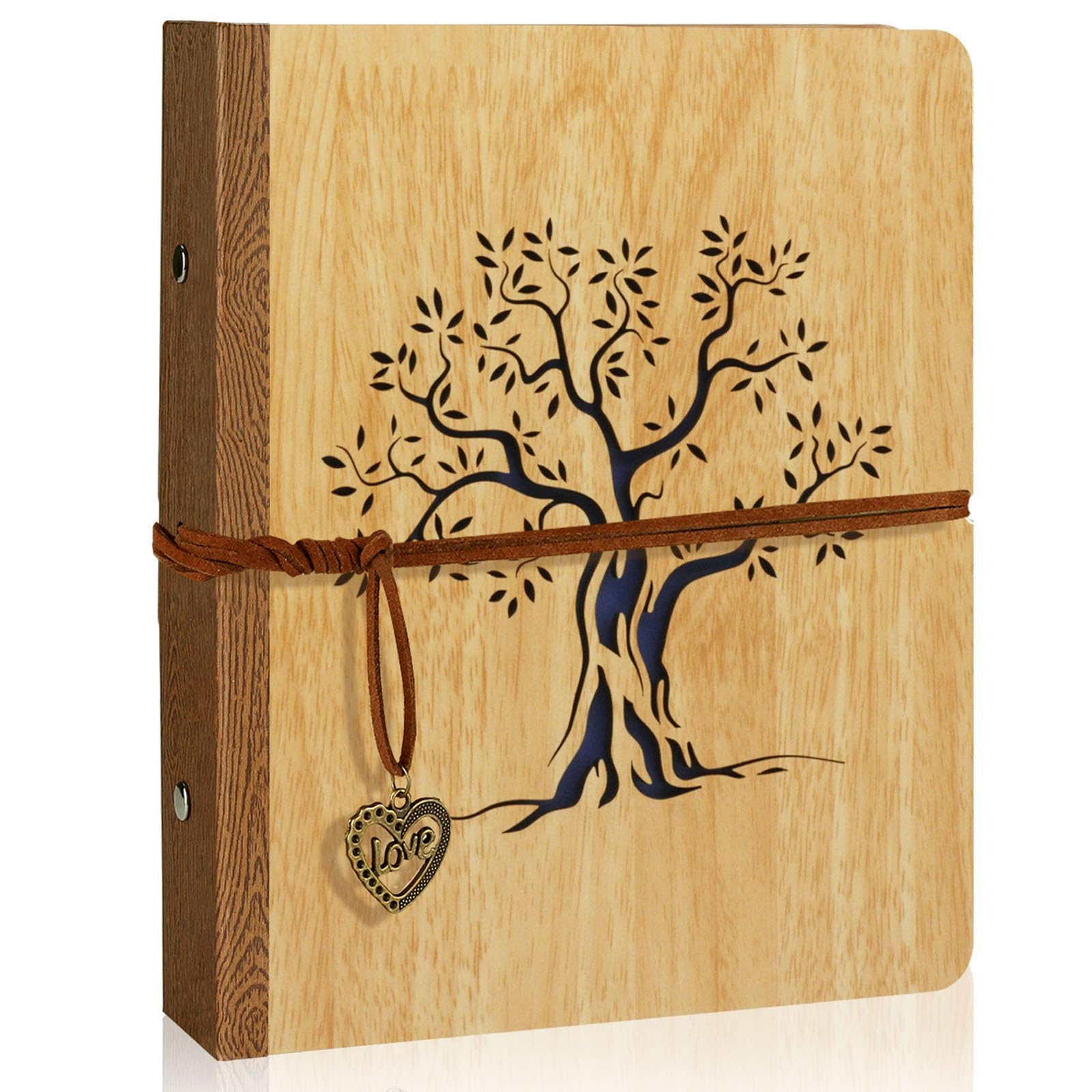
- Holds 200 4x6 photos.
- The product title identifies it as a family memory book.
- The title presents it as a gift for a grandmother or mother.
Best Gift For: A relative who would appreciate a small album of family photographs gathered alongside a family history project.
Choosing gifts for people who love genealogy under 100
When choosing gifts for people who love genealogy under 100, start with how the recipient researches. Someone who records interviews, dates, and leads by hand may appreciate supplies for notes, while a reader who spends evenings with local histories may prefer a comfortable reading accessory.
Think about the habits you have seen rather than assuming every family researcher works the same way.
Consider where their project lives. A person with a desk or dedicated shelf may welcome help keeping books and files arranged; someone working at a kitchen table may value compact tools they can put away easily.
If photographs and keepsakes are central to their family story, an album can offer a tangible place to bring images together.
A gift can also make research more enjoyable without becoming part of the research itself. A distinctive bookmark or a pleasing writing instrument adds a personal touch to the routine.
Choose something that suits their style, whether understated, playful, or focused on practical organization.
Set a comfortable budget and scope
A modest gift can feel thoughtful when it fits a clear need. Writing materials, a bookmark, or a small organizational aid can stand on its own, especially when paired with a note about a shared family story or a research question you hope to explore together.
Consider whether the recipient would use one special item or prefer a small bundle.
For a larger household item, think through the space it will occupy and whether it fits the recipient’s home. Before buying, check current prices, dimensions, and any details that affect setup or compatibility.
If the budget has to cover wrapping or a personal addition too, leave room for those rather than stretching to the top of it.
Some gifts work best as part of a project. An album may invite a relative to collect photographs, while supplies for a desk can support ongoing note-taking.
Decide whether you are giving a finished present or an invitation to spend time together organizing names, captions, and memories.
Personalize the gift with a family story
For gifts for people who love genealogy under 100, personalization can make a practical item feel connected to the family. Add a short handwritten note naming a relative, place, or photograph that sparked your own curiosity.
If you know the recipient’s current research focus, mention it specifically without presenting unverified family details as fact.
Presentation can turn an ordinary object into a thoughtful prompt. Wrap a notebook with a copy of a question you would like to ask an older relative, or pair an album with a few labeled photographs you have permission to share.
Keep the addition manageable so the recipient can decide how to continue the project.
For a shared gift, offer time as well as an object: help scan a small set of photographs, sit together while someone tells a story, or organize a folder of notes. Ask first before handling fragile documents or sharing personal family material.
A considerate offer gives the recipient control over what gets included and preserved.
Make a practical choice for the recipient
Genealogy projects can involve papers, books, digital files, and family conversations all at once. A good gift can support one small part of that process, but it should match the person’s current habits.
Someone who prefers digital notes may have little use for extra paper, while a collector of printed materials may welcome a more tactile workspace.
When considering an organizational or display item, check the dimensions against the space available and think about what it will hold. For any device or accessory, confirm compatibility with the recipient’s phone, tablet, or other equipment before ordering.
These quick checks help avoid giving something that creates a new task instead of easing one.
If you are unsure what would help, ask a family member who knows the recipient’s setup or choose a flexible item with an easy personal addition. A short note explaining why you chose it can make even a simple gift feel considered.
Give yourself time for last-minute checks
Even a well-chosen gift can disappoint if an important practical detail is overlooked. Before placing an order, check current product details, dimensions, compatibility, and delivery estimates for your location.
Availability and timing can change, so confirm them at the time you buy instead of relying on an old assumption.
If the date is close, choose something you can present thoughtfully even if a package arrives later. A handwritten card can explain the idea, include a family-history question, or invite the recipient to look through pictures with you.
Keep the message specific and warm rather than promising a particular delivery date.
A local bookshop, stationery store, or photo-printing service may offer a useful alternative when timing is uncertain. You can also give a small note about the shared activity you have in mind and select the physical item together later.
That keeps the focus on the recipient and their family story while leaving the final choice in their hands.